Beyond Training: BeHumyn for Rest
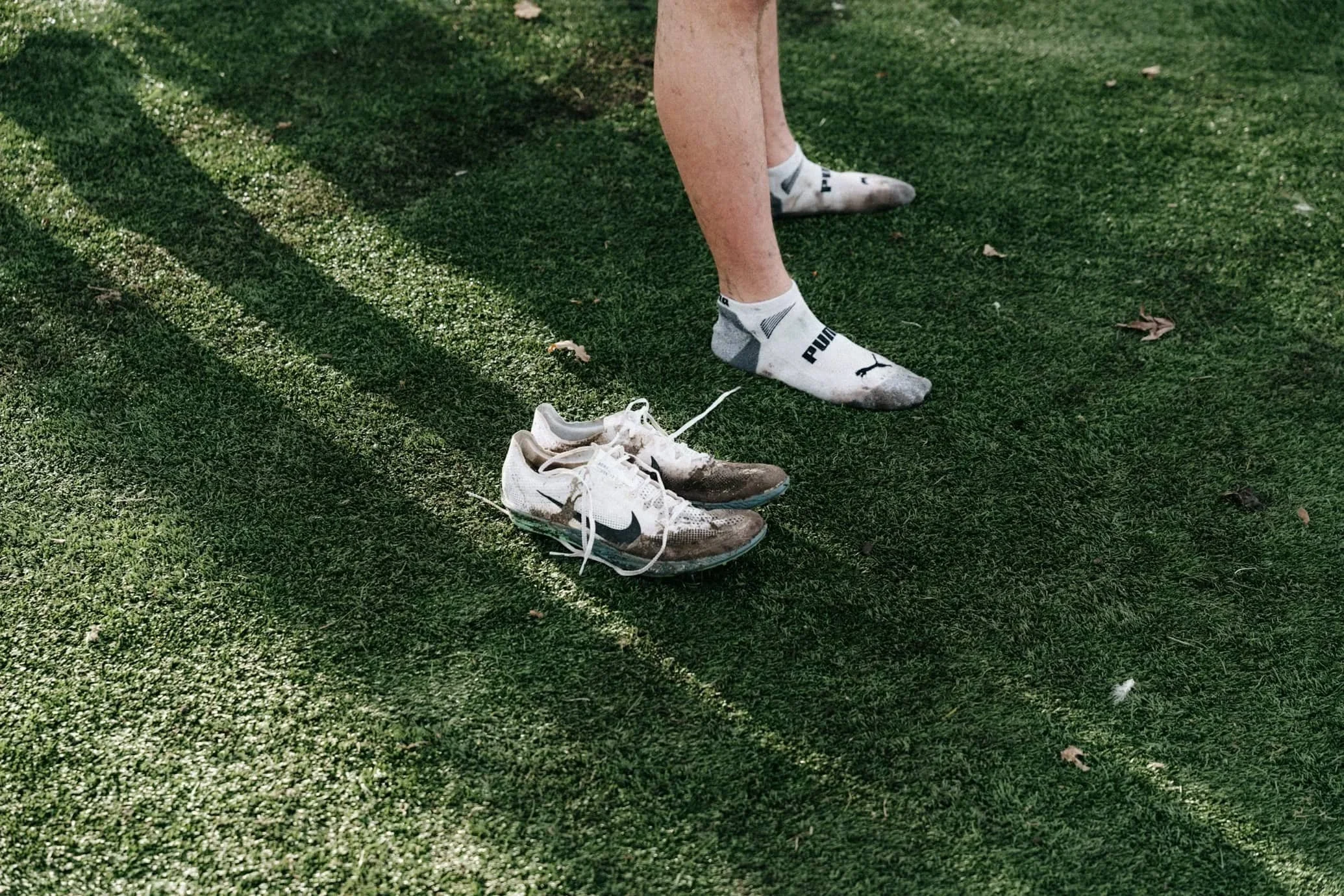
In the world of physical training, the focus is often placed on what is visible: strength, endurance, speed, consistency. There is frequent discussion of routines, loads, progressions, and goals. However, one essential part of the process is often pushed into the background: rest.
Rest is the true core of physical adaptation. It is the phase in which the body repairs micro-lesions, reorganizes energy, assimilates stimuli, and establishes the foundation for the next movement. Without adequate rest, training stops building and begins to wear the body down.
The challenge is that rest is not always easy to achieve. Modern life interrupts and demands constant attention. Training takes place, but afterward there is a return to screens, household tasks, and responsibilities that keep the body in a continuous state of activation. As a result, even when training sessions end, the body often does not fully enter a genuine recovery mode.
This leads to an important question: what happens to the body during those in-between hours, when the effort has already ended but deep rest has not yet arrived?
Rest is also trained
For most people who train on a regular basis—two, three, or four times per week—the main challenge is not a lack of discipline, but incomplete recovery. The body becomes caught in an intermediate state that can present itself in different ways:
a persistent sensation of stiffness
muscular fatigue that does not fully fade
mild but ongoing discomfort
difficulty feeling “light,” even on non-training days
These signs are not the result of injury or overtraining, but rather of insufficient functional rest.
For a long time, rest was associated with complete stillness: lying down, not moving, “doing nothing.” Today, it is understood that the body regulates itself more effectively when rest is not limited to passivity, but includes transition. Transition between stimulus and rest. Between activation and calm. Between training and everyday life.
It is within this space that rest-focused apparel becomes meaningful, not as a replacement for sleep or mindful movement, but as an intermediate support that accompanies the body during those hours when effort has ended but recovery is still unfolding.
Active recovery
For years, sportswear was designed almost exclusively to enhance performance or increase physical demands: technical fabrics, compression, breathability, support. Everything was oriented toward action, with very little attention given to what happens afterward.
The BeHumyn Bio-Shirt represents a shift in this logic. It is not a garment designed to train harder or add stimulus, but rather to support active and functional recovery, integrated into the body in an effective way.
Instead of requiring the body to completely “shut down,” the Bio-Shirt introduces a gentle, controlled activation that accompanies natural recovery processes as movement decreases but daily activity continues. It responds directly to that intermediate state in which the body needs to release tension without becoming fully inactive.
Its gentle micro-stimulation technology is integrated directly into the garment, supporting the body without requiring rituals, specific time blocks, or external equipment. It does not interrupt rest or turn it into another task. It operates in the background, while daily routines continue.
This makes something fundamental possible: rest no longer depends exclusively on dedicating specific hours to post-training recovery. It can be sustained during a reading session, a phone call, a commute, or the transition between tasks. In this way, rest stops being an isolated event and becomes part of the day.
BeHumyn before, during, and after
In the hours following training, the body continues to process the stimulus it has received: it adjusts tension, redistributes energy, and gradually seeks to return to a state of balance.
This process is neither automatic nor immediate. It depends on how the body moves, how it rests, and what kind of support it receives during that interval. It is within this context that the Bio-Shirt can be integrated in a practical and concrete way.
After training
Following a strength, cardio, or mixed session, certain areas of the body often remain more loaded than others. Using the Bio-Shirt at low to moderate intensities can support this initial recovery phase, when movement decreases but the body remains internally active.
Between training sessions
On days without intense activity, many people continue to feel accumulated fatigue. The Bio-Shirt allows these days to be supported by gentle activation rather than complete passivity. The goal is not to train, but to avoid cutting off the dialogue with the body altogether.
During daily life
Training does not end when leaving the gym. Walking, climbing stairs, working while seated, driving, or traveling also place demands on the body. The Bio-Shirt accompanies these activities without interference, helping prevent everyday wear from canceling out the recovery process.
Functional benefits
When functional benefits are discussed, the reference is not to clinical outcomes or immediate promises, but to practical effects that may be perceived in everyday use, particularly in the torso, where the Bio-Shirt acts directly. These benefits tend to develop progressively, through gentle and sustained stimulation.
From this perspective, regular use of the Bio-Shirt may be associated with:
a reduced sensation of muscular stiffness in the torso, especially in the mid-back, lumbar, and dorsal areas
smoother transitions between activity and rest, avoiding abrupt shifts from training back into routine
greater bodily comfort in the hours following training, while the body continues to process the stimulus
a perception of deeper rest, even before nighttime sleep, through the reduction of residual tension accumulated during the day
a reduced sensation of a “loaded” torso during long days involving sedentary work, commuting, or back-to-back activities
These effects do not depend on a single session, but rather on the continuity of support integrated into daily life.
How to maximize the Bio-Shirt’s potential within a routine
To make the most of the Bio-Shirt within a standard training routine, several simple guidelines can be considered:
Use it after training, not during
The garment is designed to support recovery, not to replace physical stimulus. Integrating it in the hours following training allows the body to process effort more effectively.
Choose gentle intensities
Micro-stimulation is not intended to create strong sensations. Low, sustained intensities tend to integrate better into rest and everyday activities.
Adjust zones according to the type of training
When training focuses on the lower body, the torso remains essential for stabilization and posture. In sessions centered on the torso or back, the focus can be adapted to those areas.
Combine it with simple habits
Gentle walking, proper hydration, light stretching, or simply sitting with greater body awareness can enhance the garment’s supportive effect.
Use it as a bridge toward nighttime rest
Integrating it during the latter part of the day can help facilitate the transition from “active mode” to “rest mode.”
Rest as part of a lifestyle, not a reward
BeHumyn proposes a shift in how rest is understood: no longer as something earned after completing tasks, but as a necessary condition for sustaining movement, training, and daily life.
Training regularly should not mean living with constant fatigue or normalized stiffness. The body needs stimulus, but it also needs support between those stimuli. In this sense, the Bio-Shirt does not aim to add complex protocols, but to empower everyday well-being, supporting the body in moments when it was previously expected to simply “push through.”
As a result, rest stops being an occasional pause and becomes an active, accessible part of lifestyle, integrated into how one trains, moves, and navigates the day.