BeHumyn™ Bio Shirt and the New Era of Well-Being: From Furniture to the Body as the Center
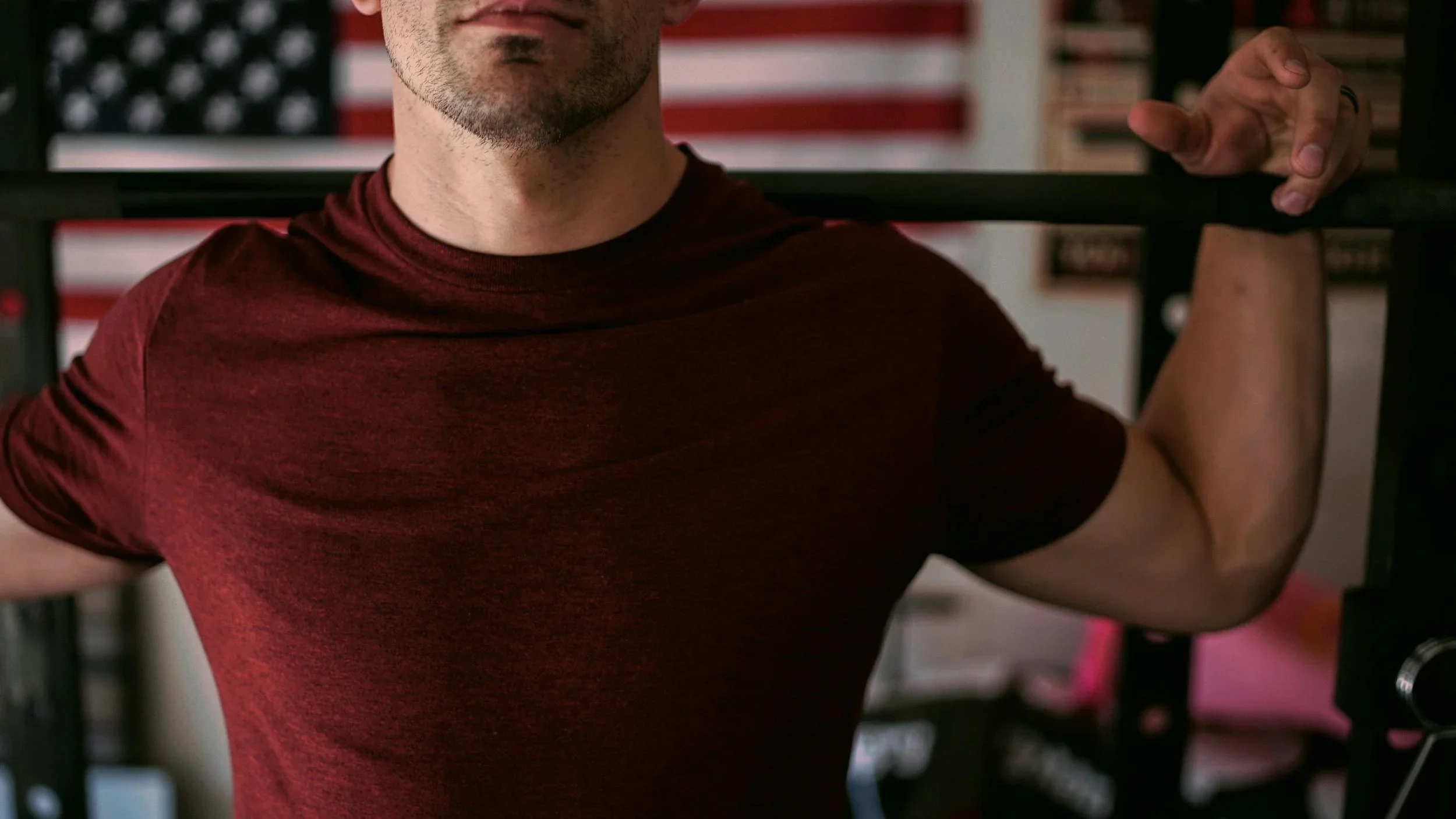
For decades, ergonomics served efficiency. It ensured that machines and spaces did not harm the human body, adjusting chairs, raising screens, softening tool edges. The goal was noble: reduce physical strain in workplaces built more for production than for people.
But there was a structural flaw: classical ergonomics relied on the physical environment. Once we left the chair or stepped out of the office, the support vanished. In an era where work spreads across waiting rooms, kitchen tables, and airplanes, that model is no longer sufficient. The body is again left solely responsible for holding itself up and enduring.
A Paradigm Shift, From Environment to Individual
Modern work demands mental movement and physical stillness. The mind leaps between tasks while the body remains static, trapped in postures that strain muscles, joints, and circulation. The paradoxical result: we feel drained at day’s end without having used our bodies as they were designed to be used.
What we often overlook is that the human body operates in cycles of effort and recovery. Ultradian rhythms, peaks and valleys of energy every 90–120 minutes, signal when we need to stand, stretch, and reactivate circulation. Yet in a culture of hyper-productivity, these microbreaks are treated as disruptions rather than physiological necessities.
Wearable technology has proven its value in healthcare and workplace safety, monitoring vital signs and warning of hazards. The next step is more ambitious: technology that not only observes but also acts to support the body in real time. This vision opens the door to solutions that move beyond environmental dependence and accompany individuals directly in their daily routines.
The Body in the Digital Era, An Overlooked Machine?
We spend over a third of our lives working, often on screens small enough to fit in our palms. The digital revolution promised freedom of movement, yet in practice it tethered the body to an invisible desk.
Across many countries, musculoskeletal disorders are a leading cause of work-related discomfort and absenteeism: lower-back pain, neck stiffness, carpal tunnel, signs of a body left too long on pause. Remote work removed commutes but also blurred boundaries between work and personal life, multiplying sedentary hours.
The inevitable question: how do we care for a body that no longer inhabits a fixed environment but moves along with the work?
Beyond Prevention, Toward Active Well-Being
Most current technologies focus on prevention. Smartwatches nudge when you’ve been sitting too long. Apps remind you to hydrate or take a break. All depend on user compliance.
The BeHumyn™ Bio Shirt proposes a qualitative leap. Instead of acting as a passive observer, it functions like a discreet physiological assistant that intervenes at the right moments. This is a shift from reactive ergonomics to active ergonomics, support that doesn’t wait for pain to appear but continuously helps sustain the body.
Conceived as an intelligent garment, the Bio Shirt integrates microelectronics and gentle neuromuscular stimulation to provide ongoing physiological support for people working in static or hybrid environments. While electrical stimulation has long existed in clinical rehabilitation, the innovation here is its transition from clinic to daily life, becoming a wellness and productivity ally. Integrated into a garment, stimulation provides subtle, patterned activations that may help prevent stiffness and promote healthier posture without requiring the user to interrupt work.
Potential Impact on Work Culture
The potential impact of technologies like the BeHumyn™ Bio Shirt goes beyond individual health. Organizations adopting such innovations may see measurable gains: fewer discomfort-related interruptions, improved continuity of focus, and teams better equipped to sustain performance.
More profoundly, the Bio Shirt invites a cultural shift. It reframes microbreaks not as interruptions but as integral to productivity and well-being. Caring for the body becomes a baseline practice and a strategic investment in human and organizational flourishing.
Small Gestures, Big Shifts
Cultural change grows from everyday actions. By integrating seamlessly into routines, the Bio Shirt becomes a partner in building micro-habits that support health and sustainable productivity.
Redefining Breaks as Performance Tools
With the Bio Shirt gently activating musculature, microbreaks become reset moments. A five-minute ritual, stand, walk to a window, stretch, can help restore tone and energy.
Weaving Movement into Daily Tasks
Answer voice messages while walking, stand during video calls, or use adjustable desks. Combined with the Bio Shirt’s constant support, these habits reduce the burden of accumulated posture strain.
Fostering More Human Workspaces
The presence of wearable support can inspire redesigned environments, areas for active breaks, green corners, hydration stations.
Caring for the Mind as You Care for the Body
The Bio Shirt works quietly in the background to ease physical tension; pairing it with mindful breathing or brief mindfulness exercises can amplify benefits. Even two minutes of slow, deep breathing may reduce stress and improve focus.
Conclusion
Contemporary work poses challenges that demand innovative, human-centered solutions. The BeHumyn™ Bio Shirt introduces the possibility of integrated physiological support as part of the daily routine, acting as discreet assistance for the body’s natural recovery processes. This benefits individual well-being and organizational effectiveness.
Beyond reducing discomfort or supporting productivity, it redefines the relationship between well-being and performance. In a competitive landscape, organizations that embrace technologies like the BeHumyn™ Bio Shirt will be better positioned to build workplaces that are more sustainable, more human, and ready for the future.